

Physical Development & Movement Part Two: Boosting Learning through Movement.
In part two of her series on physical development in the early years, childcare trainer Helen Battelley, MA, explores why movement, not worksheets, is what truly prepares children's brains and bodies to learn.
After more than 30 years working with young children, I've noticed something that worries me. Children are changing…..
As both a teacher and trainer, I visit hundreds of early years settings every year. I have the privilege of watching children learn, play and grow, while also supporting educators to develop their practice. Wherever I go, I hear remarkably similar conversations.
"They can't sit comfortably on the carpet."
"They tire so quickly."
"Many struggle to cross the midline and cross their legs."
“They have poor language skills”.
“They cannot share”.
"They can't follow simple instructions."
"Their pencil grip isn't developing."
"They're finding it difficult to concentrate and maintain attention."
These aren't isolated observations. They are becoming increasingly common. Yet I often find myself asking a different question…..
Are children struggling to learn... or are we expecting them to learn before the physical and social foundations are in place?
From the moment a baby reaches out to grasp a parent's finger, rolls across the floor or takes those first wobbly steps, they are doing far more than developing physically. They are building the foundations for communication, memory, problem-solving, emotional regulation and future academic success.
For many years, education has understandably focused on literacy, mathematics and measurable outcomes. But somewhere along the way, movement has quietly slipped down the priority list. Ironically, movement is the very thing that helps children become successful learners.

The body prepares the brain
One of the biggest misconceptions I encounter is that physical development is simply about becoming active or learning sporting skills. Physical development is the foundation upon which so much learning is built. Before children can sit comfortably and listen to a story, their bodies need postural stability and a secure vestibular system.
Before they can write, they need strong shoulders, core muscles and hands that have spent years climbing, hanging, crawling, digging and manipulating objects.
Before they can concentrate for sustained periods, their sensory systems need to help them feel organised, balanced and secure.
Yet increasingly, I meet children who have had fewer opportunities to develop these foundations through everyday movement. Vital developmental milestones being missed, limited access to movement, and increased time being sedentary on screens have all impacted a child’s ability to learn.
Learning starts with the body
I often ask educators a simple question during training.
"Have you ever tried learning a brand-new dance routine while somebody talks continuously at you?"
Everyone smiles as they know exactly how difficult it is. Your brain is working incredibly hard just trying to coordinate the movement. Add a stream of verbal instructions, and it quickly becomes overwhelming. Children experience this every day at home and in early years settings.
Have you ever noticed that when a child is learning a new physical skill, they seem unable to listen to your instructions at the same time? This isn't because they are ignoring you; it is because their brain is working incredibly hard to prioritise the new physical skills.
When children are mastering a new movement, such as pouring water into a cup, balancing, catching a ball or using scissors, they have to consciously think about every aspect of what their body is doing. At the same time, if we are giving verbal instructions, they are also trying to listen, understand, remember and respond. Both movement and language rely on the brain's limited working memory, so they compete for the same cognitive resources.
When a movement is unfamiliar, the brain has to devote enormous attention to planning, balancing and coordinating the body. There is simply less capacity available for listening or for speaking! The brain naturally prioritises movement, as maintaining balance, posture and coordination is essential. As a result, lengthy instructions can quickly become overwhelming, especially for young children.
With practice and repetition, however, movements become automatic. This process, known as automaticity, means the brain no longer has to consciously control every action, freeing up mental capacity for listening, communicating and problem-solving.
Interestingly, this is where music and rhythm can make a real difference. A steady beat provides an external timing cue, reducing the mental effort required to coordinate movement. As a result, children often move more confidently, remember action sequences more easily and find it easier to follow routines when they are supported by songs and rhythm.
When introducing a new physical skill, demonstrate first, keep language simple, use visual clues, allow children time to explore the movement and gradually introduce more verbal instruction as the skill becomes familiar. Sometimes, the most effective way to support communication is not to use more words, but to give the brain the space it needs to learn through movement.
As movements become automatic through repetition and play, the brain frees up space for more complex skills like thinking, listening and problem-solving. Movement doesn't take time away from learning it underpins all the other areas of learning and development.
What I see in settings
One of the greatest privileges of my work is seeing practice across the country and overseas. The most successful settings aren't necessarily the ones with the newest resources or the biggest budgets. They're the ones that understand that movement belongs everywhere and they prioritise movement both indoors and outdoors.
- I see children acting out stories rather than simply listening to them.
- I see mathematical concepts explored through jumping, balancing and building and using natural materials in woodland play
- I see songs accompanied by actions that help language helping language become concrete and tangible
- I see outdoor environments that invite children to climb, carry, push, pull and explore.
- I see movement being used during transitions.
- I see settings that promote families to scoot or walk to school
- I see settings that encourage families to visit local parks and green spaces
- I see children involved in apprenticeship tasks, folding tea towels, setting tables, sweeping patios
- I see children independently seeking out exploratory movement play
- I see children who are confident to engage in risky play
Most importantly, I see children who are fully engaged because learning feels meaningful when their bodies are involved.
Every movement is building the brain
Parents often ask me what they should be doing at home to prepare their child for school.
My answer is NEVER worksheets.
Instead, I encourage them to make movement part of everyday life.
- Walk whenever you can.
- Dance together.
- Build dens.
- Climb hills.
- Play chase.
- Carry shopping.
- Dig in the garden.
- Throw, catch, roll and kick a ball.
- Bake and cook together.
- Help set the table.
- Fold washing.
These everyday experiences are strengthening balance, coordination, attention, language, confidence and independence.
Looking ahead
If there's one message I'd like every parent and educator to take away, it's this:
The brain and body are responsible for learning – and are deeply connected. A moving child is a learning child.
As adults, it's easy to think of movement as something children do between periods of learning or as an extracurricular activity. Of course, these have their place, and are important to discover particular skills like swimming, dance and sports. But movement is so much more and, in a society where we are becoming increasingly sedentary, it has never been more important.
Further reading: physical development is one of the three prime areas of learning in the EYFS statutory framework, underpinning much of what Helen describes above.
How much movement is built into your daily routine, and where could there be room for more? Tell us in the comments below!
Want to help your team put physical development at the heart of everyday practice? Explore our childcare courses or get in touch with our friendly team today.
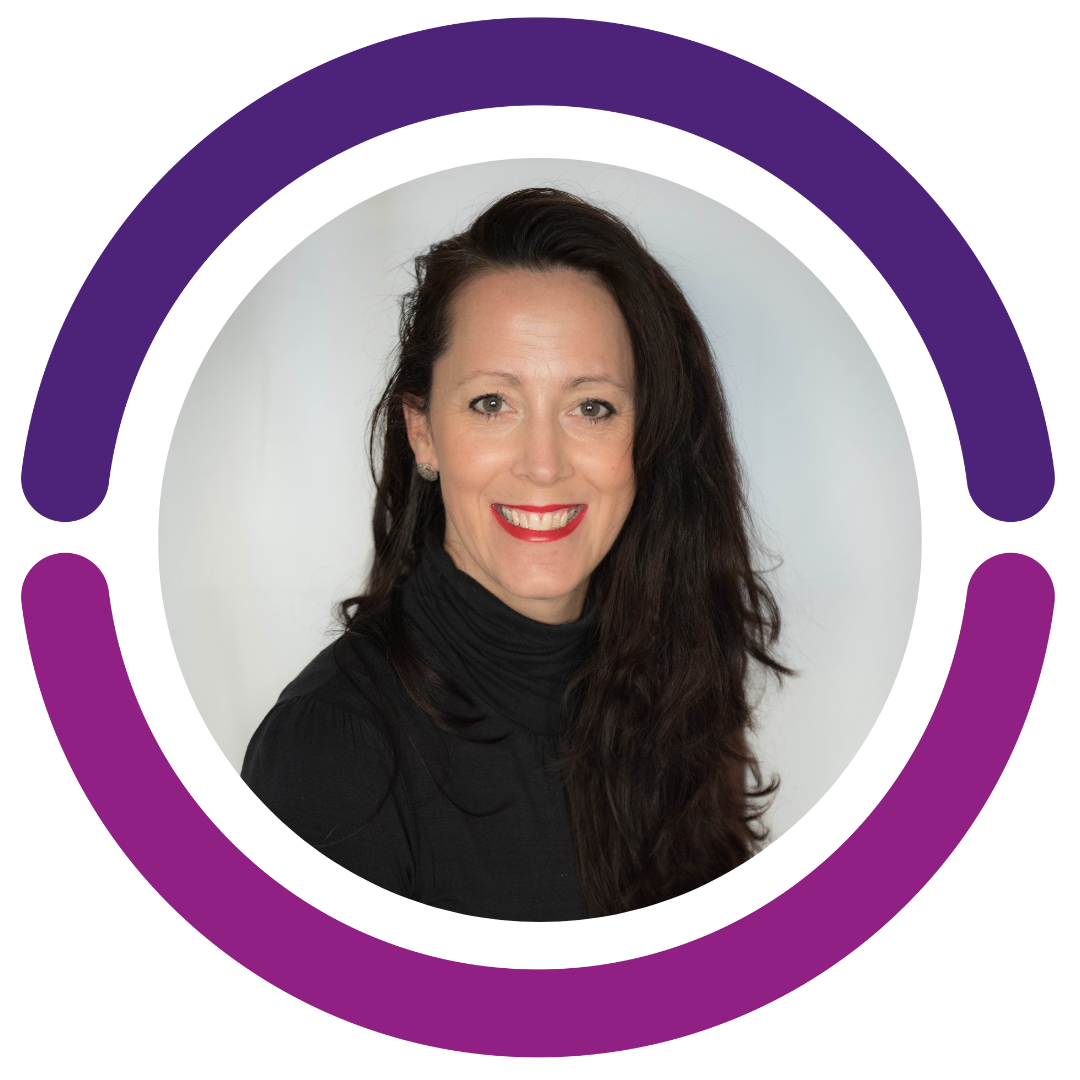
Discover more: About the Author
Other Articles:
Baby Music and Sensory Play
Benefits of Music Play for Babies and Toddlers
