
Inclusivity and Diversity in Music: Cultural Music in the Early Years
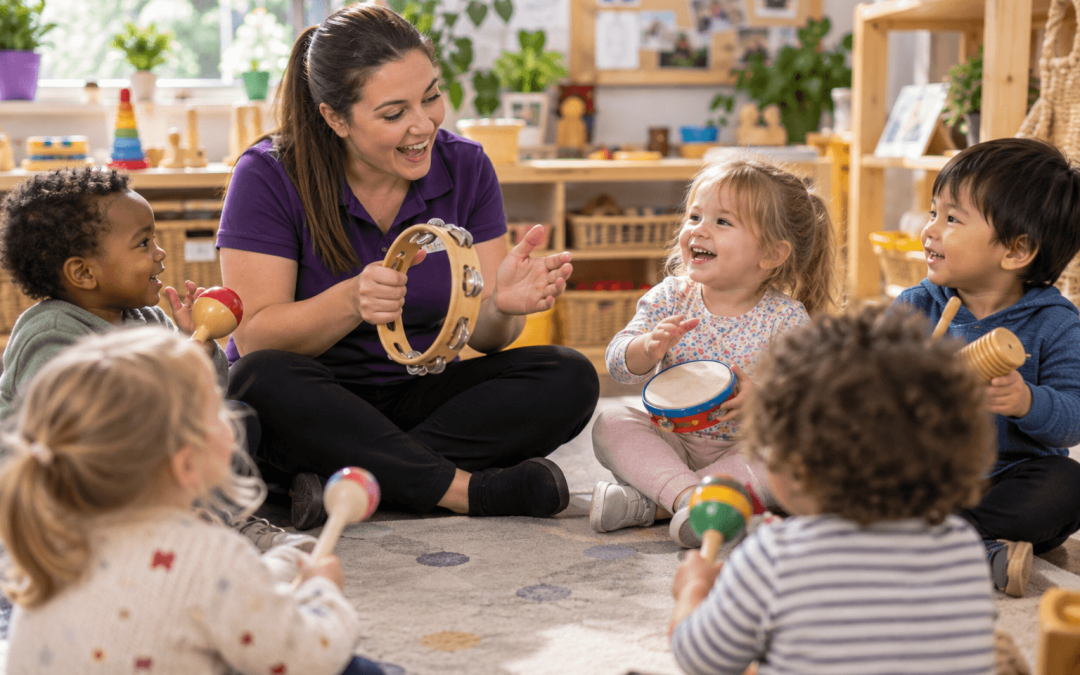
As the world gets smaller, with people from different parts of the world moving around, one of the best ways to live, work and play together, is to sing together!
Early years is a wonderful time to create opportunities for new experiences for children. Research show that exposure to new and different situations improves social and emotional development, cultural awareness, and identity formation.
Along with singing, we can use books, toys and traditional materials to introduce children to stories, games and songs that different cultures learn and enjoy. Holding cultural celebrations at the same time as families would celebrate adds a familiar feeling of parties, while traveling to local cultural sites or inviting people in helps to broaden children’s worlds and understanding of society.
We have chosen some fantastic, popular children’s songs from England, China, India, Poland and Ghana - with two based on the tune of Frère Jacques!
Wheels On The Bus
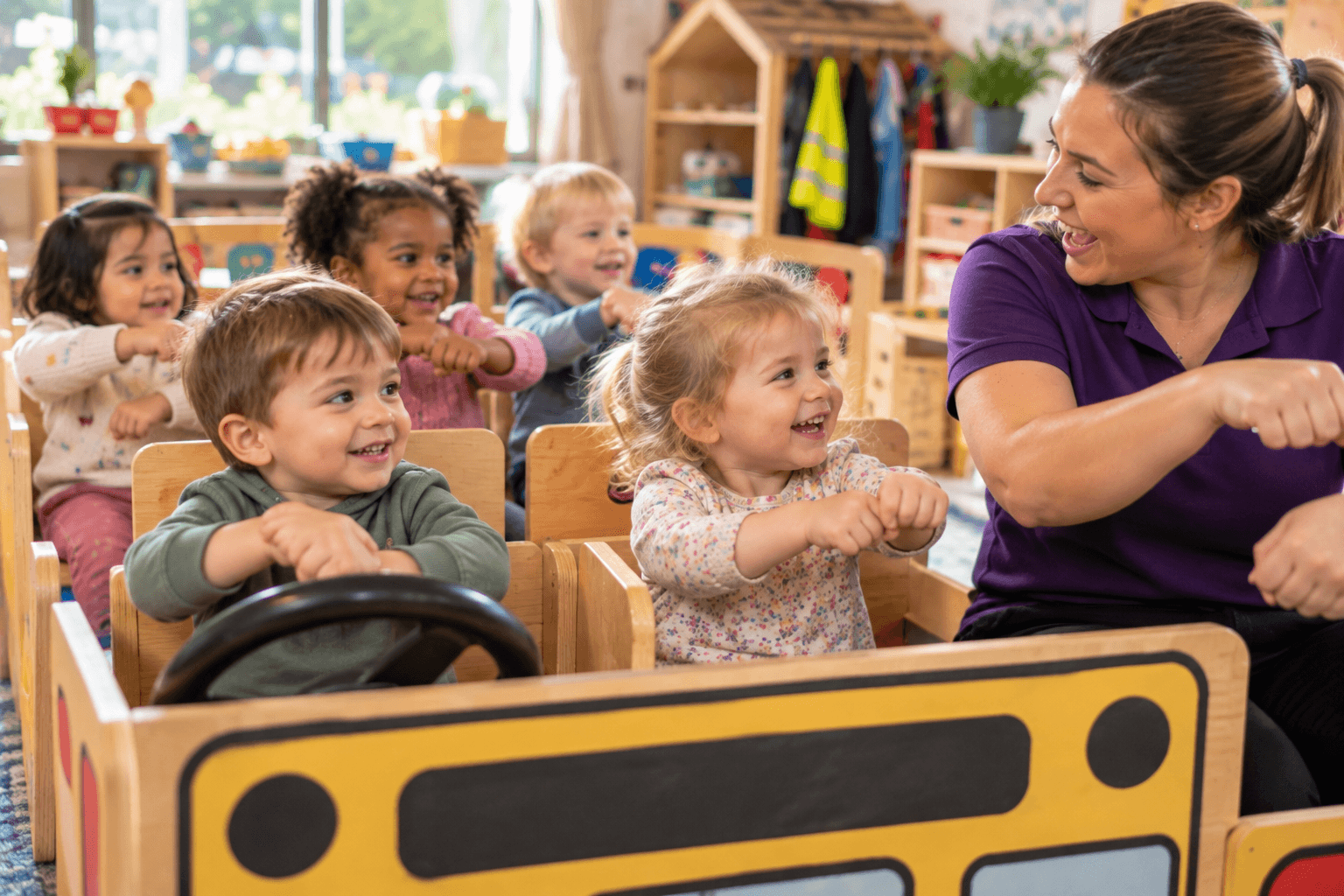
The wheels on the bus go ‘round and ‘round
‘Round and ‘round, ‘round and ‘round
The wheels on the bus go ‘round and ‘round
All day long
The wipers on the bus go swish, swish, swish …
The doors on the bus go open and shut, open and shut …
The driver on the bus goes tickets please, tickets please, tickets please …
This lovely traditional song can be used in cultures where the predominant language may not be English. The international idea of a bus will be known in many countries, which is one reason that this song is a great one to encourage shared, familiar experience.
Lakdi Ki Kathi (Hindi)
Lakdi kee kathi kathi pe ghoda
Ghode kee dum pe jo maaraa hathaudaa
Dauda dauda dauda ghoda hum uthaa ke dauda
Translation:
A frame of wood, a horse on the frames
When the hammer hit the horse’s tail
The horse ran, ran, ran with its tail held high
Pronunciation:
Laaka deekee kaa-tee, kaa-tee peegoda
Go deekee doom pejo maara ha-to -da
Door-da, door-da, door-da, goda hoom u-ta-ke door-da
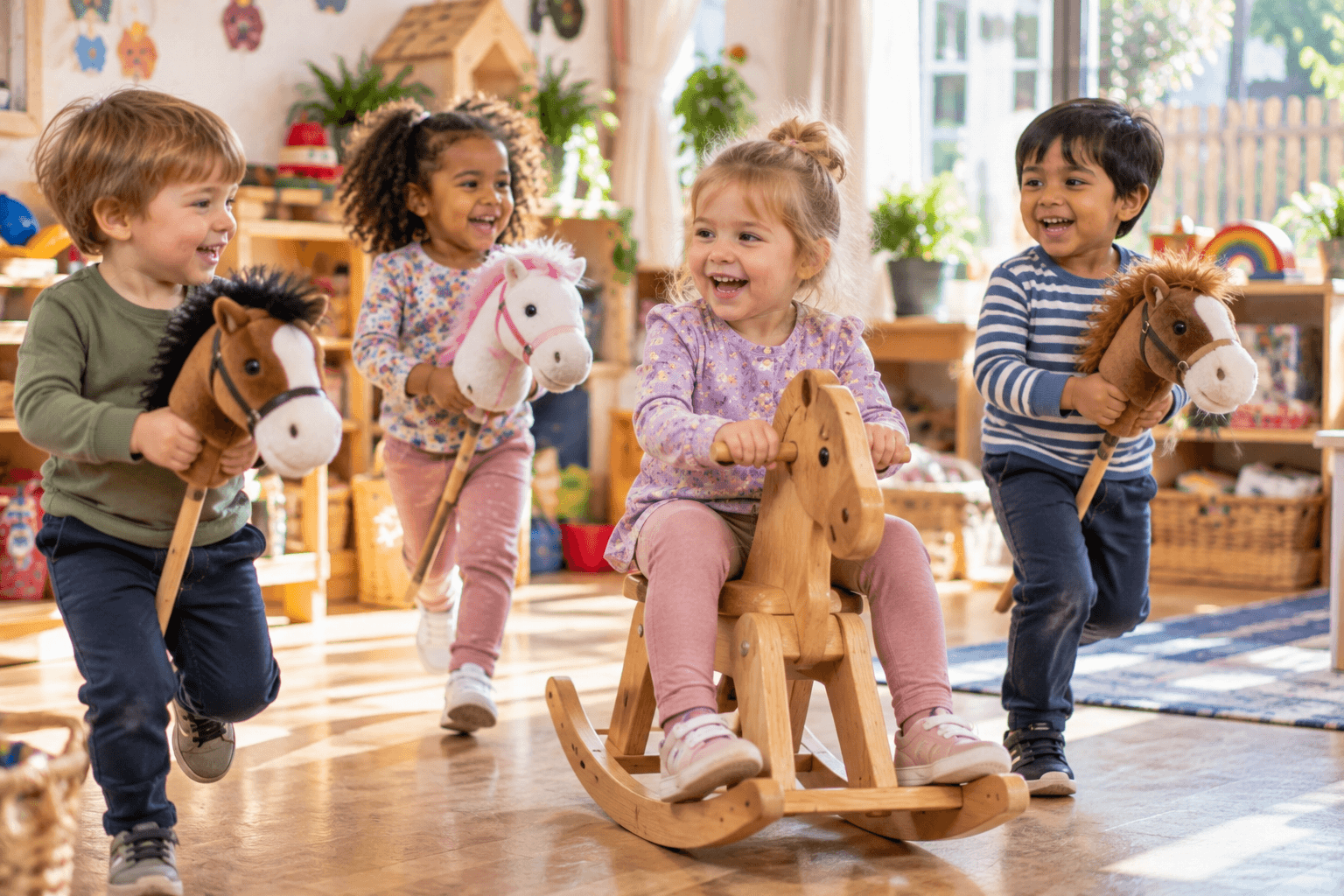
With so many You Tube hits, Lakdi Ki Kathi is a clearly a favourite and with good reason. Featuring in a Bollywood film from the 80s, the song is lovely feel-good childhood song about a rocking horse (or hobby horse), and the repetitive ‘dauda, dauda, dauda, dauda” gives a wonderful galloping feel to the running horse!
Panie Janie (Polish - Frère Jacques tune)
Panie Janie! Panie Janie!
Rano wstań! Rano wstań!
Wszystkie dźwony bija, Wszystkie dźwony bija
Bim, bam, bum, bim, bam, bum
Translation:
Mister John! Mister John!
Get up early! Get up early!
All the bells are ringing, all the bells are ringing
Bim, bam, bum, bim, bam, bum
Pronunciation:
Paan-eh, Yaan-eh, Paan-eh, Yaan-eh
Run-off-stun, Run-off-stun
Shis-kets vo-yeh bee-yo, Shis-kets vo-yeh bee-yo,
Beem-bam-boom, Beem-bam-boom
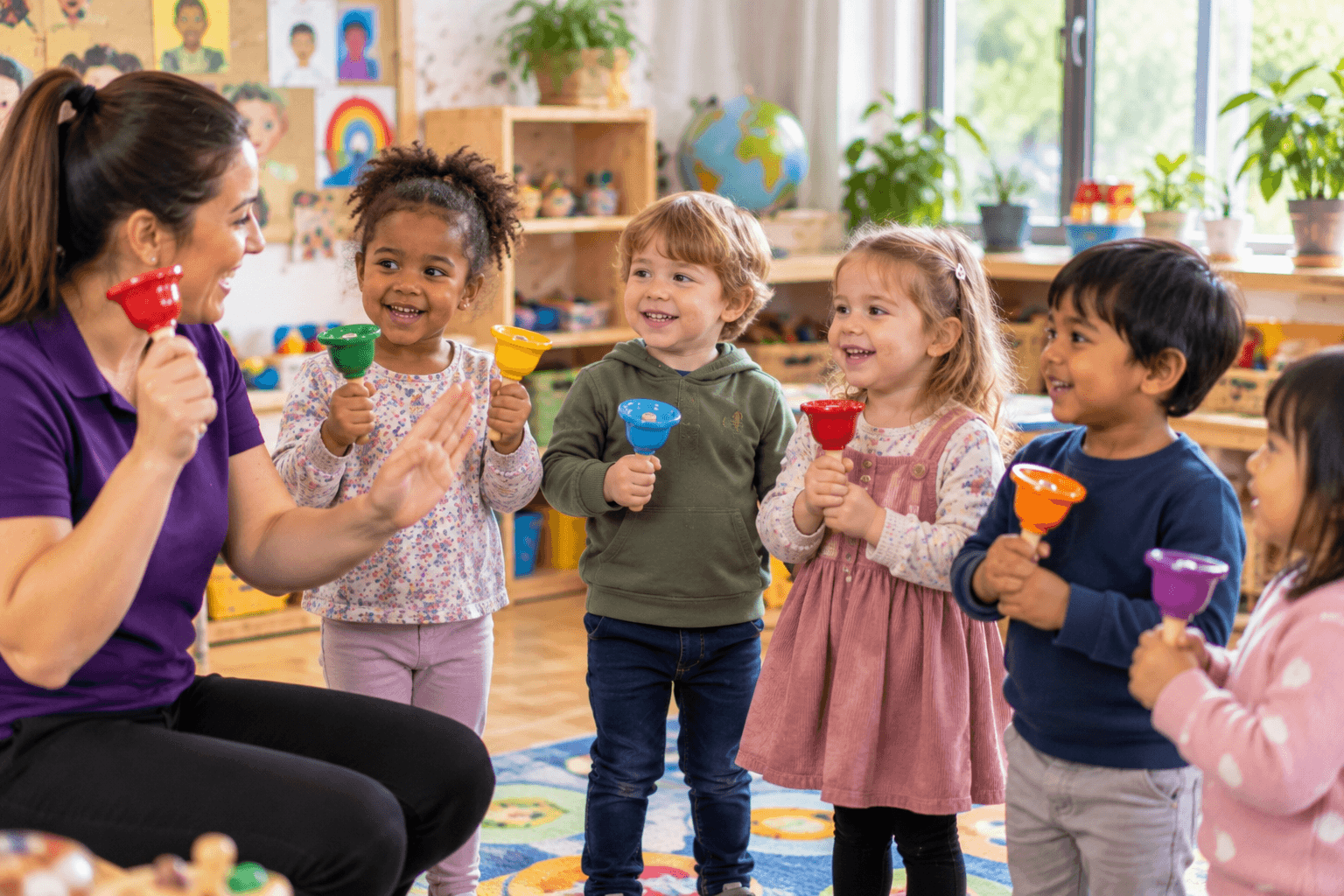
This lovely Polish version of Frère Jaques has the usual familiarity of repetition. This is a built-in call-and-response opportunity for children to repeat after the adult - don’t be surprised if the ending comes easier! It is interesting the sounds of bells change according to the language being sung.
Liǎng Zhī Lǎohu (Mandarin, to the tune of Frère Jacques)
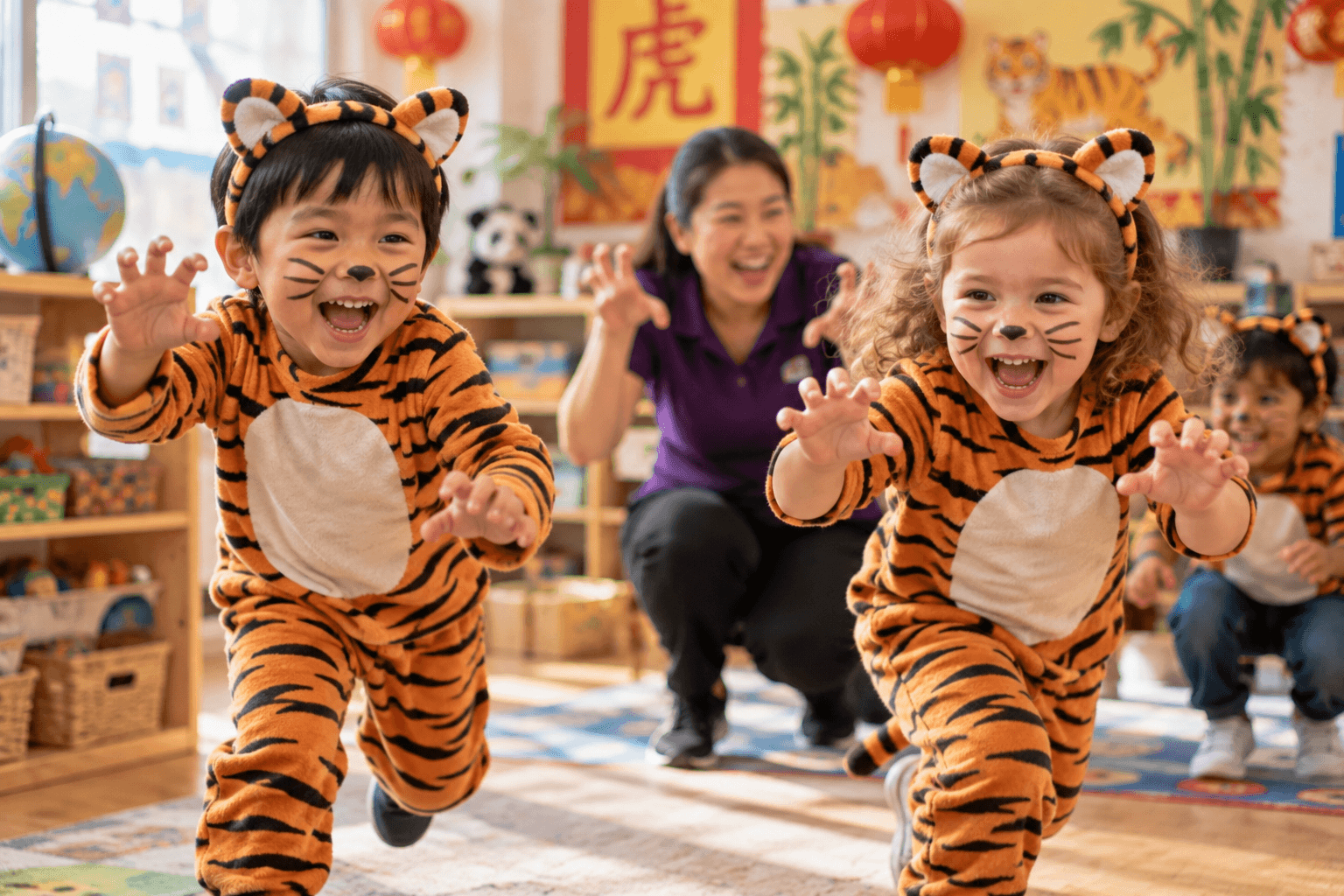
Liǎng zhī lǎohu, liǎng zhī lǎohu,
Pǎo dé kuài, pǎo dé kuài,
Yī zhǐ méiyǒu yǎnjīng, yī zhǐ méiyǒu wěibā
Zhēn qíguài, zhēn qíguài,
Translation:
Two old tigers, two old tigers
Run very fast, run very fast
One of them has no eyes, one of the has no tail
Oh how strange, oh how strange
Pronunciation:
Lee-ung shsh leow haw, Lee-ung shsh leow haw
Pow-dee-kway, Pow-dee-kway,
Eezo mayo er-go, eezo mayo way-ba
Shen si-gway, shen si-gway
This song always seems to be sung at top speed! If the pronunciation is not quite right, this is why. It has an interesting point in that not every line is repeated - one tiger has no eyes, the other has no tail! It introduces children to the gentle sounds of Mandarin in a fun, repeated way, creating opportunities to develop more cultural interests.
Kye Kye Kule (Ghanaian call and response)
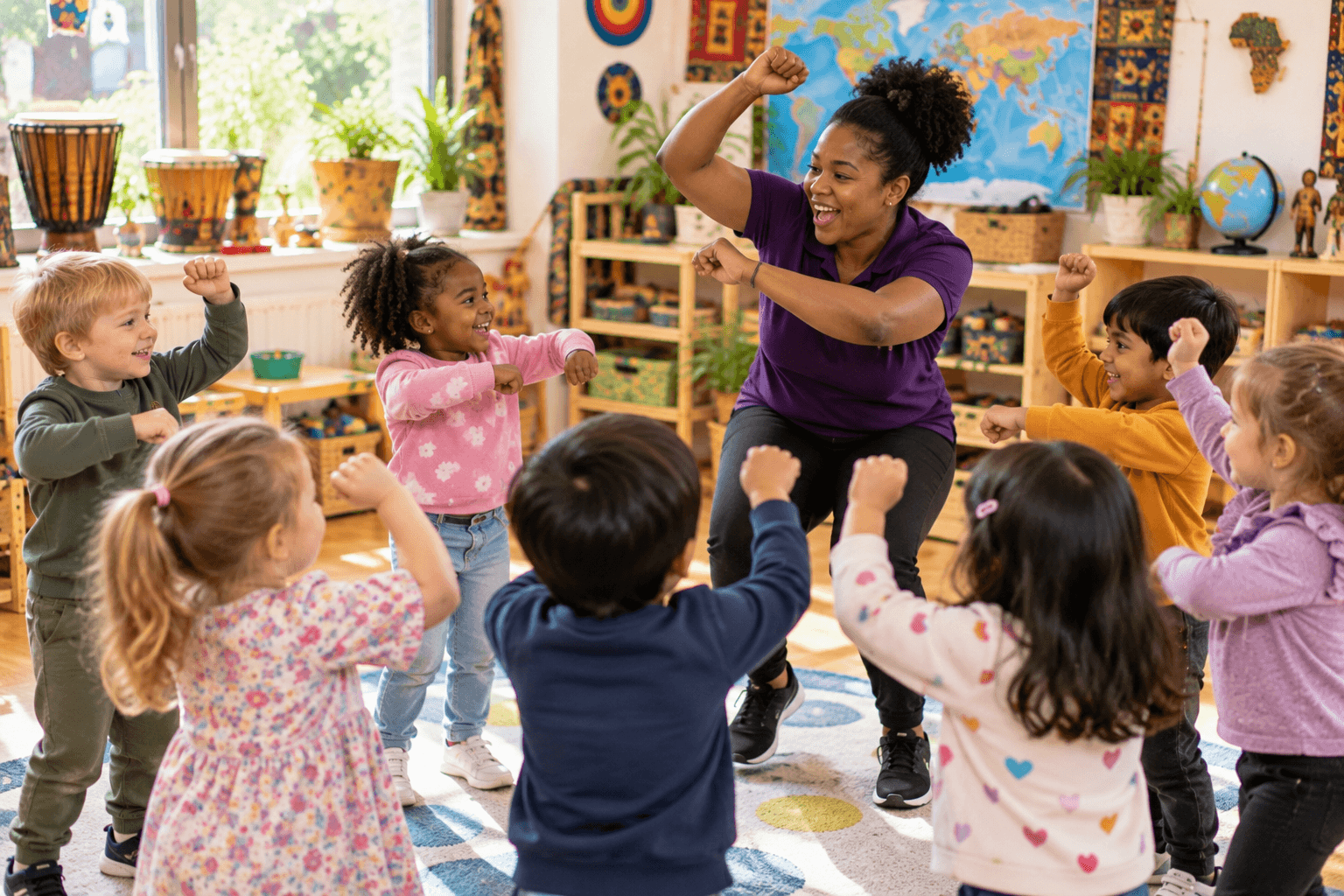
Kye kye kule Kye kye kule
Kye kye kofi sa Kye kye kofi sa
Kofi sa langa Kofi sa langa
Kaka shi langa Kaka shi langa
Kum adende Kum adende
ALL: Kum adende, kum adende hey!
Pronunciation:
Cheh cheh koolay Cheh cheh koolay
Cheh cheh ko-fee-sa Cheh cheh ko-fee-sa
Cheh cheh ko-lun-ga Cheh cheh ko-lun-ga
Koom a-den-day Koom a-den-day
ALL: Koom a-den-day, Koom a-den-day, hey!
This circle dance seems to be based on getting someone’s attention, “Hey, Hey, Kofi!” and then rhyming his name in Ghanaian. Depending on where you look, you may find an Anglicised version using the actions for “Head, Shoulders, Knees and Toes”, or an African version that ends with counting to 10, and gives each person in the circle a turn at dancing in the middle, using random actions that the middle person chooses and the group follows.
Brown Girl In The Ring (Caribbean)
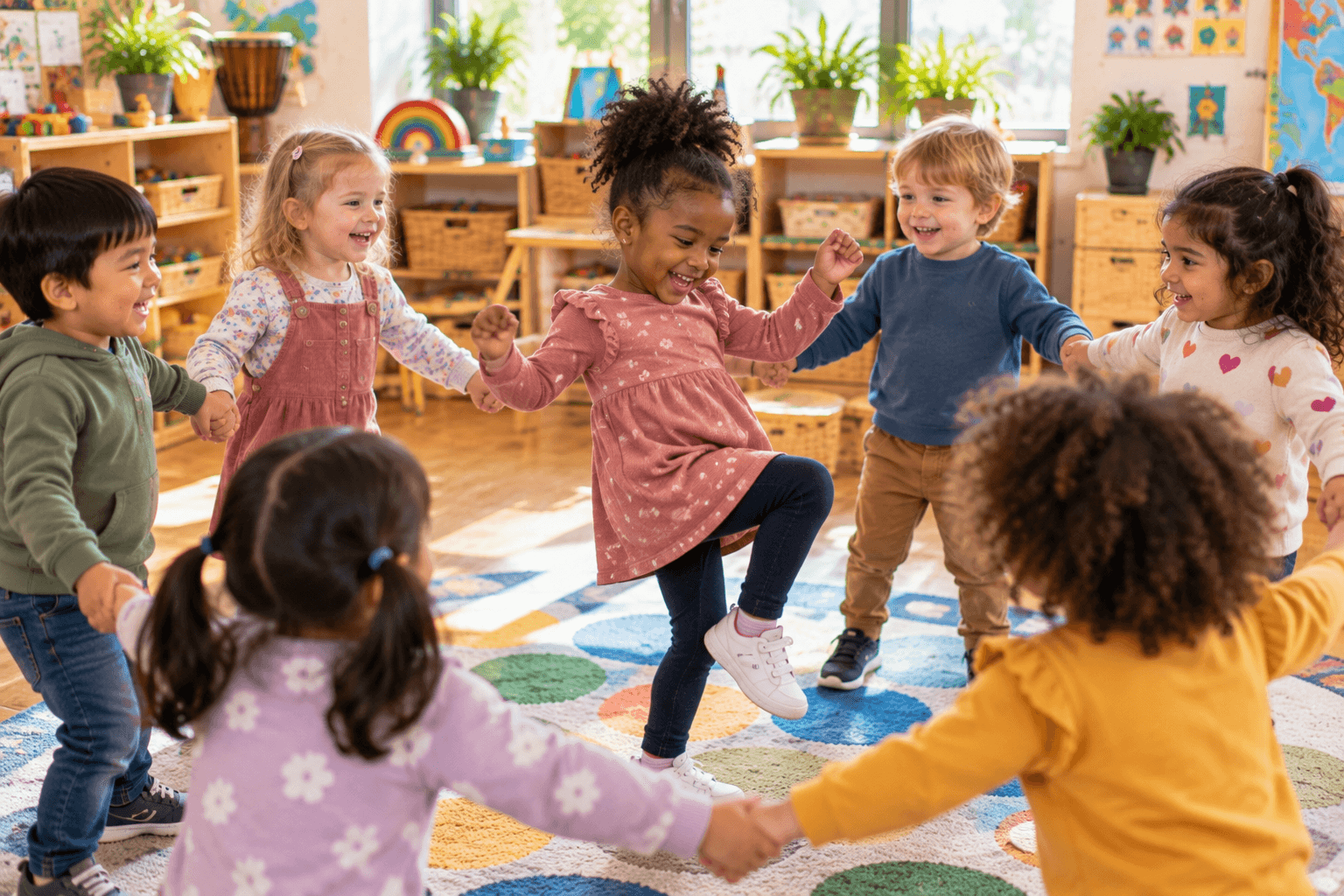
There’s a brown girl in the ring, tra-la-la-la-la
There’s a brown girl in the ring, tra la-la-la-la
There’s a brown girl in the ring, tra-la-la-la-la
She looks like a sugar in a plum, plum-plum
Show me your motion, tra-la-la-la-la
Show me your motion, tra la-la-la-la
Show me your motion, tra-la-la-la-la
She looks like a sugar in a plum, plum-plum
Better pick a partner, tra-la-la-la-la
Better pick a partner, tra la-la-la-la
Better pick a partner, tra-la-la-la-la
She looks like a sugar in a plum, plum-plum
Made famous by Boney M, this is also a circle dance where everyone sings to the person in the middle, copies their action / “motion”, and the next person in the middle is decided by being chosen as the partner.
Remember that the brain learns songs from the end to the beginning. Children will learn the last word of the last line first, the last words of all of the last lines, and then begin to remember the first words.
Have some multi-cultural fun today, celebrating the diversity of people in games and song!
Over to You
Which of these songs will you try first with your children? Do you have a favourite song from your own culture, or one that a family has shared with your setting? We'd love to hear how you bring music and diversity into your everyday practice, so share your ideas with us in the comments below.
Want to give your team the skills and confidence to plan inclusive, creative experiences for every child? Explore our government-funded childcare courses, or get in touch with our friendly team today on 0800 002 9242.
Discover more: About Frances Turnbull
Other Articles:
Tech in the Early Years: Neurofeedback‑Enhanced Music
Language and Music: ESOL for the Early Years
Musical Drawing In The Early Years | Parenta.com
Fun Music Sessions For Pre-Schoolers! | Parenta.com
Toddler Music Sessions: Part 2 | Parenta.com
The Power of Music to Boost Brain Development in Early Childhood
