
The Cost of Good Sitting? Fidgets and Autistic Masking
Autistic masking can be hard to spot, especially when it looks like a child is simply sitting nicely. In this thought-provoking article, Dr Joanna Grace reflects on fidgets, "good sitting" and what we might really be praising when children learn to sit like everyone else.
A few years ago, I was being booked to talk about fidgets at exhibitions and conferences right, left and centre. Schools were trying to decide whether to allow them or not. The debate has largely settled now.
I worried then whether we were asking the right questions and I have the same worries now.
A Lesson in Good Sitting
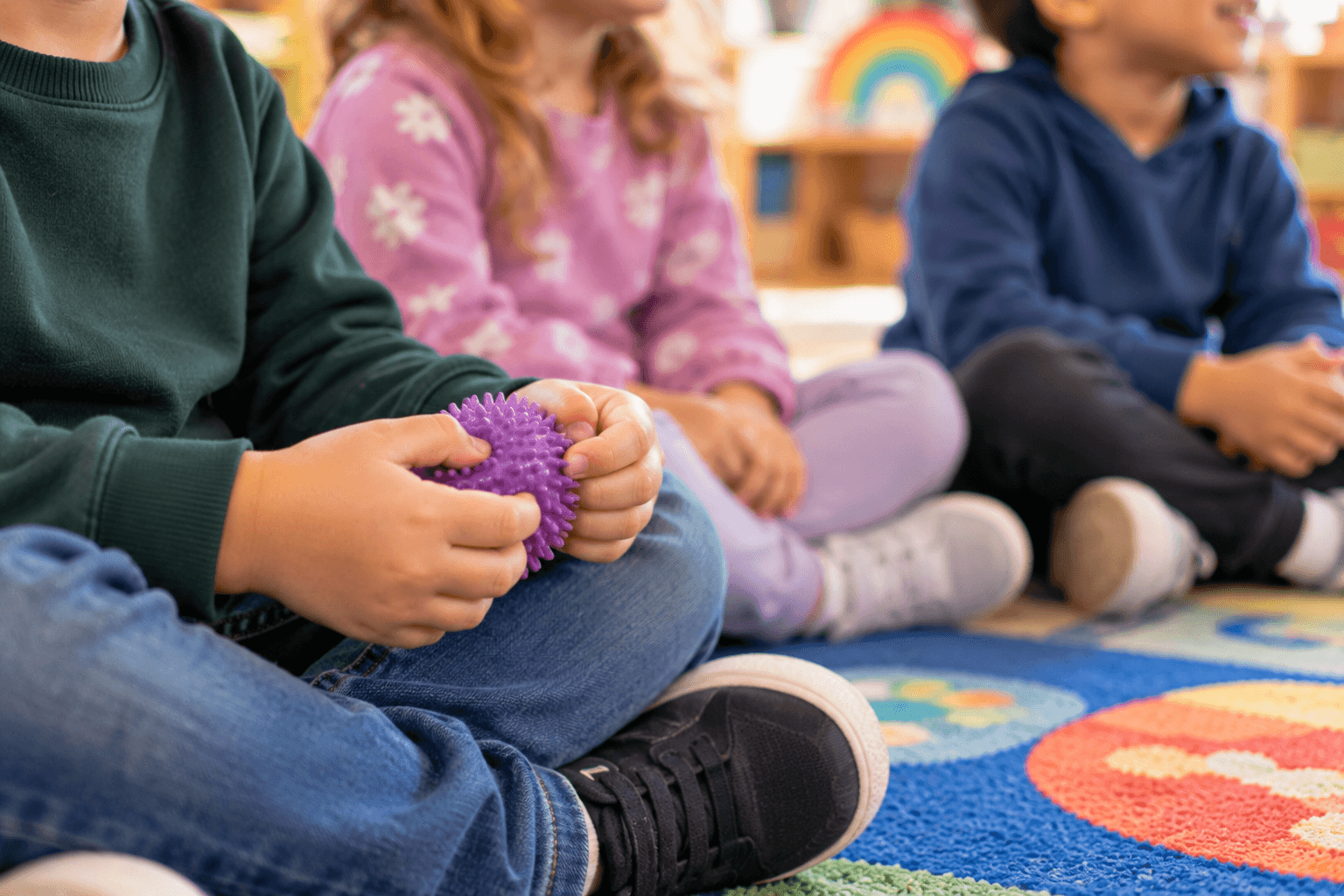
Recently I visited a school that was rightly proud of its inclusive practice. Children who needed fidgets had them, and the other children understood why. It wasn't disruptive or unfair; it was simply part of how that classroom worked.
I was introduced to a young boy who had joined the school because his previous one had been unable to meet his needs.
"He used our class fidgets when he arrived," his teacher told me, "but now he sits so nicely on the carpet he doesn't need them anymore."
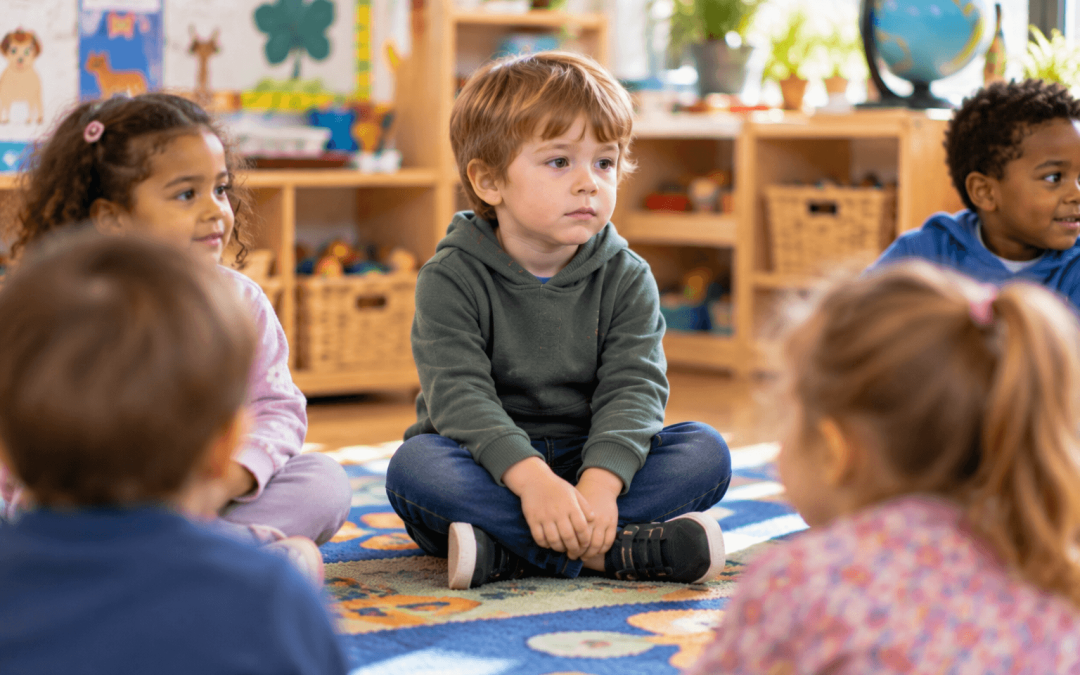
I nodded and watched him doing his "good sitting."
"How did you achieve that?" I asked.
"We gradually reduced the time he had the fidgets and praised him for sitting without them."
I looked at the little boy.
He was sitting beautifully.
A quick glance around the carpet showed one child sitting on a chair with fidget resources while everyone else sat neatly cross-legged. I found myself wondering whether, if I came back in a few months, the child in the chair would also have learned to sit like everyone else.
Is that the goal?
The teacher caught me looking.
"Good sitting!" she smiled at the child.
What Is Good Sitting?
What is good sitting?
Is it sitting like everyone else?
Or is it sitting in the way your body needs to sit so your brain can learn?
How are we deciding what "good" means?
The Hidden Cost of Autistic Masking
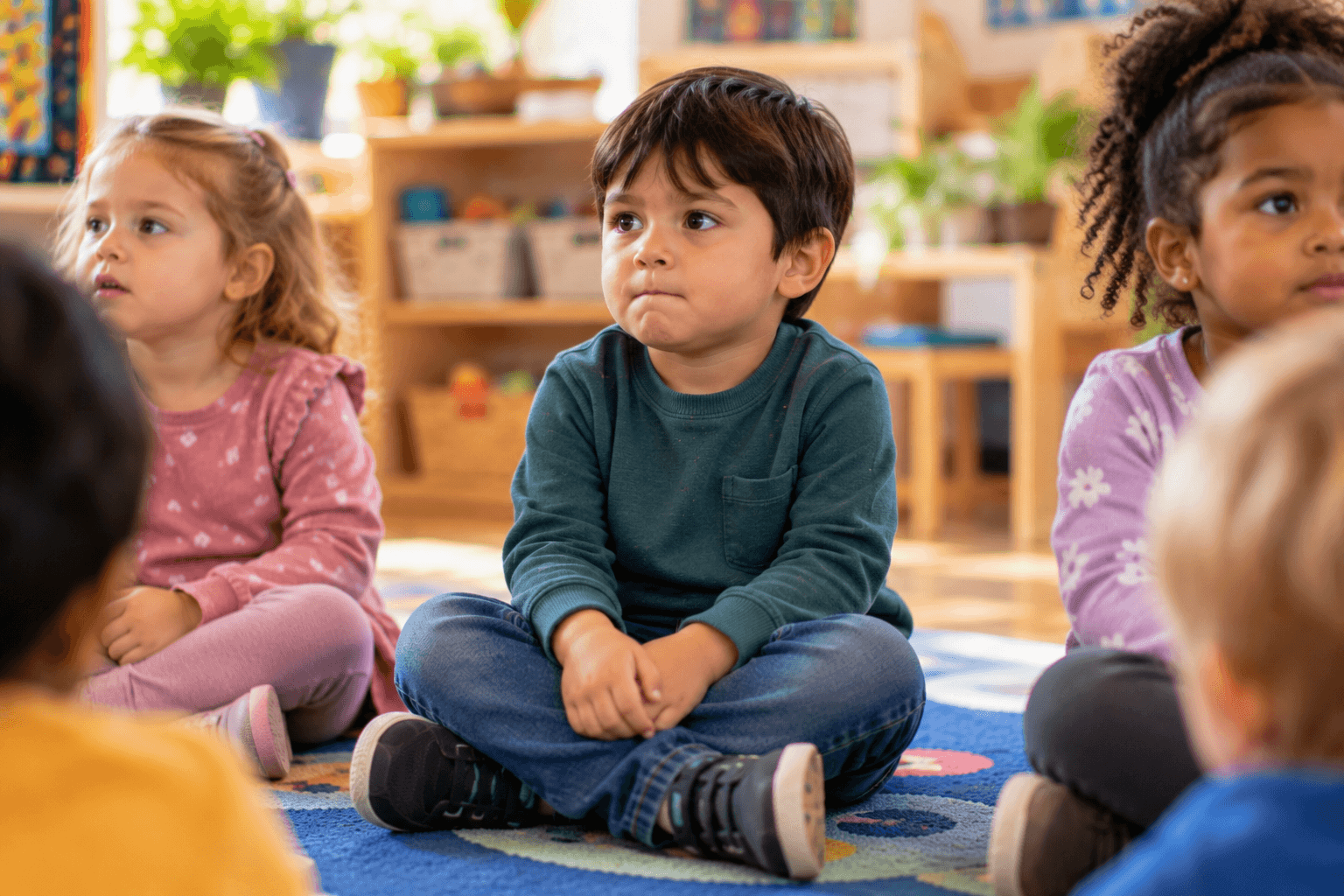
The little boy looked focused. But was he concentrating on the lesson, or on maintaining his perfect posture? Was the effort he was putting into sitting still effort that could otherwise have gone into learning?
I recognised the look because, as an autistic adult, I've worn it myself.
It is the face I make when I'm working hard to meet other people's expectations rather than my own needs.
As both an autistic person and a researcher, I know the cost of masking. Personally, I've lived it. Professionally, I've read the evidence. We know that the more successful autistic people become at hiding their differences, the greater their risk of poor mental health and, at its most devastating extreme, suicide.
So what exactly was being praised?
Achievement?
Or masking?
Was "good sitting" helping this child learn?
Or helping him look as though he learned like everybody else?
Achievement or Conformity?
What are we trying to produce?
Better concentration?
Better attainment?
Or simply the appearance of conformity?
And if conformity comes at the cost of stress, self-suppression and learning that your natural way of being should be hidden, is it really success?
He sat beautifully.
What was he gaining?
What was he giving up?
Who was his good sitting really for?
A Classroom Where Everyone Belongs
Perhaps the question isn't whether children need fidgets.
Perhaps it's whether adults need children to look as though they don't.
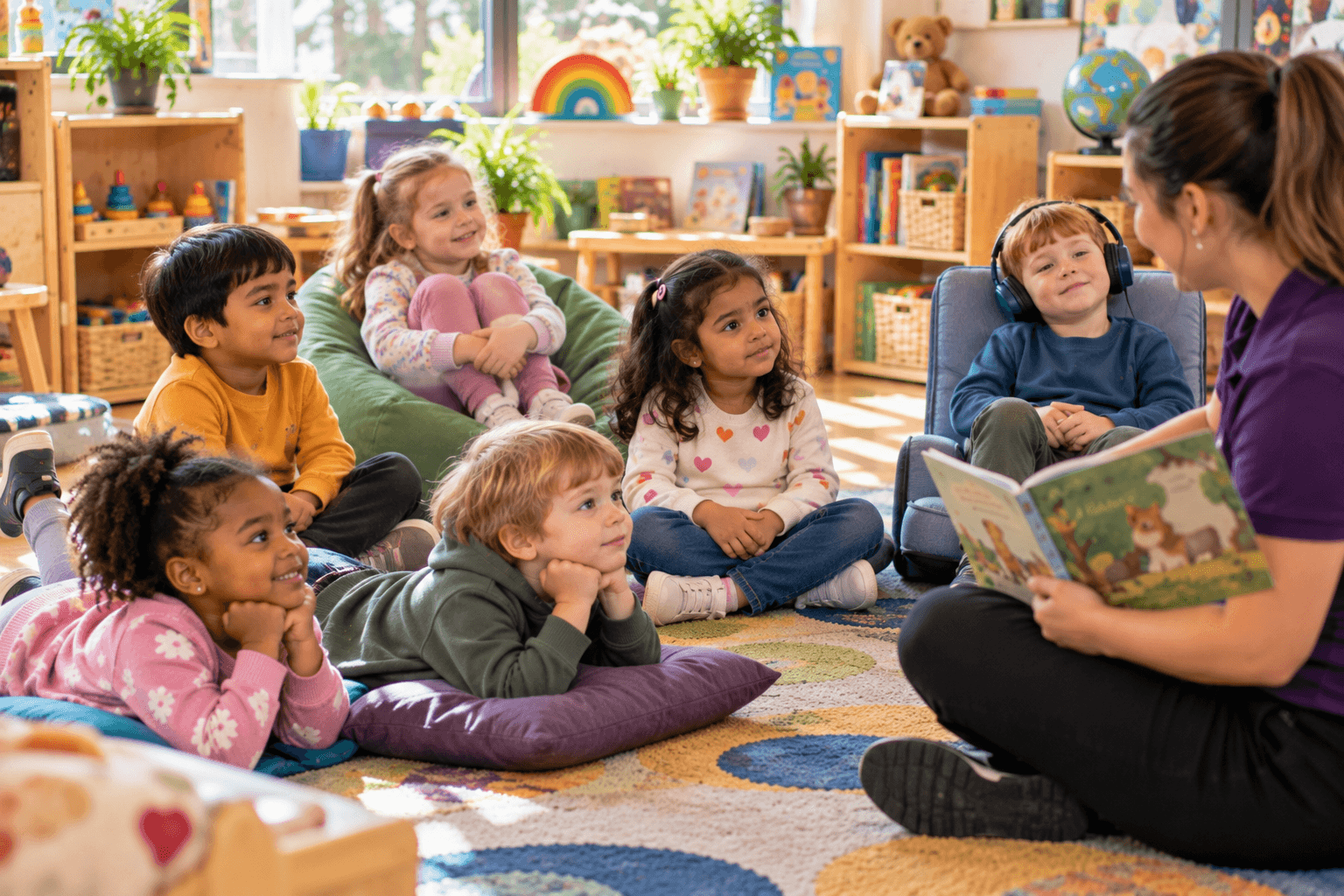
Imagine a classroom where "Good sitting" could be said to a child happily rocking, fidgeting or stimming because they had found the way their body needed to regulate itself and pay attention.
Imagine a teacher who was proud of a class where every child sat differently because every child learned differently.
To me, that sounds like a classroom where everyone could find belonging.
Over to You
How does your setting respond when a child rocks, fidgets or stims? Could some of the "good sitting" you see every day actually be autistic masking? Take a moment to reflect on who your expectations are really for, and you can find out more about masking from the National Autistic Society.
We'd love to hear your thoughts on this article. Share how your setting supports every child to learn in the way their body needs with us in the comments below, and discover more thought-provoking articles from our guest authors on the Parenta blog.
Want to build your team's confidence in recognising autistic masking and supporting every child's individual needs? Explore our government-funded childcare courses, or get in touch with our friendly team today on 0800 002 9242.

Discover more: About Dr Joanna Grace
Other articles:
The Truth About Autistic Children and “Rude” Behaviour
Facial Expressions & Autism: The Truth
Understanding an Autistic Child: 3 Secrets to Double Empathy
Being Autistic – what my children taught me
Language processing differences
Exploring language
How to Support Autism Communication with Complete Clarity
