
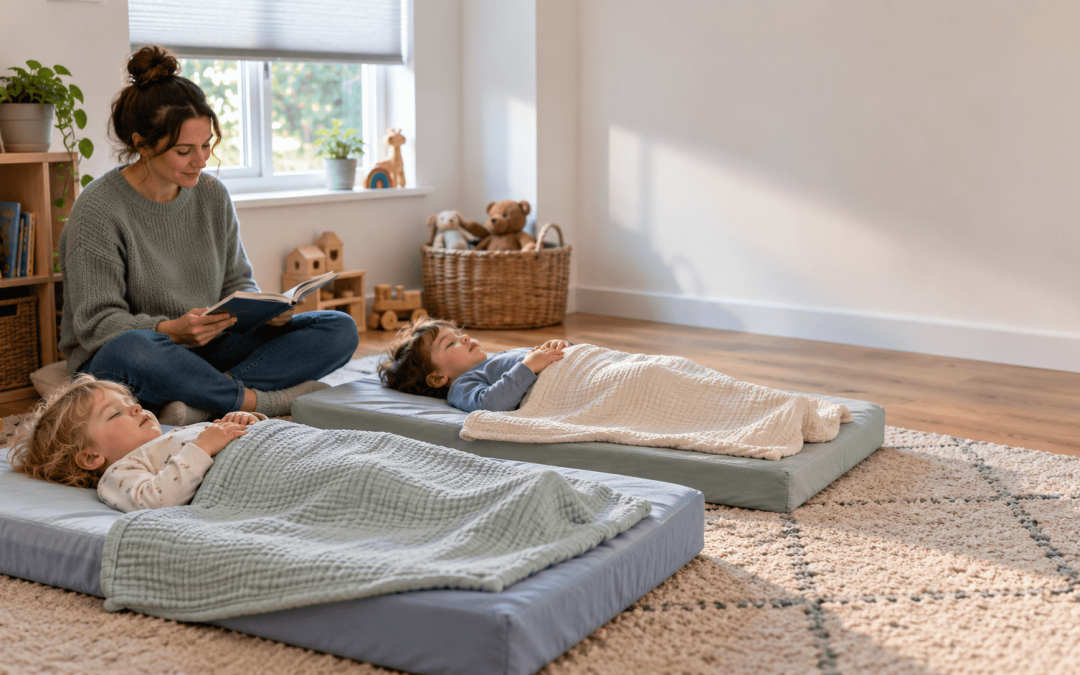
Safer Sleep Guidance in Practice: Child Protection and Well-being for Childminders
In this article, childminder Priya Kanabar shares how her home-based setting puts the updated safer sleep guidance into practice, from safeguarding measures and calm routines to clever storage and working in partnership with families.
In this article, we will explore how to implement the changes in the updated EYFS Statutory Framework, ensuring the well-being and safety of children is prioritised.
These updates come following tragic incidents that have taken place in childcare settings within recent years, so they are hugely important. However, childminders have had to think of ways to overcome barriers such as having a small playroom that lacks storage.
We will also explore how to manage sleep routines in the setting in line with the safer sleep guidance, whilst working in partnership with families, as well as focussing on organisation skills to lessen our workload.
Safeguarding measures to help prevent serious incidents
Firstly, let's look at the measures childcare settings can put in place to avoid serious incidents (such as the above) happening:
- CCTV in the areas used for children.
- Assistants left for no more than 2 hours in a single day.
- Supervision and action plans/CPD.
- Regularly checking in on staff, i.e. mental health and workload.
- Ensuring staff receive the support they require and signposting where necessary, e.g. counselling.
- Ensuring staff receive sufficient breaks.
- Intervening when inappropriate behaviour/abuse or neglect is observed or even suspected.
- Role modelling acceptable behaviour.
- Regular training/refreshers on 'what to do', e.g. whistleblowing procedures.
- Ensuring references come from a direct source.
- Checking temperatures of the rooms and the children.
- Ensuring children are supervised at all times during sleep time; a monitor or regular checks are simply not enough.
Safeguarding is everyone's responsibility, and staff must be confident in following the setting's procedures as well as knowing how to report concerns. If assistants are given visual aids such as quick reference cards with key information on display, they are likely to be more confident as it is a daily reminder.
Routines and organisation under the updated safer sleep guidance
Children can no longer remain sleeping in buggies once they reach the setting, regardless of it lying all the way flat (as before), so here are a few key points we can consider:
- Ensuring the sleep area is set up before the outing.
- Removing layers before the sleep (such as coats where appropriate considering the weather), using blankets instead.
- Consistency so they can get used to any changes to the routine, e.g. children may wake up on the first attempt, however get used to it with time.
Our sleep routine at Kids In Motion Childminding
An important part of our routine at Kids In Motion Childminding is:
- Children know where to find their mats and bedding.
- They are familiar with their blankets, differentiated by colour.
- The steps we take before going to sleep/having a rest are usually the same to include all children.
- On waking up, children help to tidy it all up.
Encouraging children to take responsibility and offering them familiarity, as well as consistency on a daily basis, can give them a feeling of security and belonging. They learn to be independent, learning life skills through daily routines.
Soothing and settling
Other parts of our sleep/rest routine may involve:
- Soothing a new starter, e.g. stroking their head or lying next to them, to provide a smooth transition from home routines.
- Calming music.
- Comfort items from home (removed once they fall asleep).
How does a small home-based setting manage the updated safer sleep guidance?
Childminders have said they are using hidden spaces, e.g. behind the sofa and other furniture, for folding mats. Travel cots are also convenient as they fold and usually come in their own storage bag, as well as on wheels for easy moving.
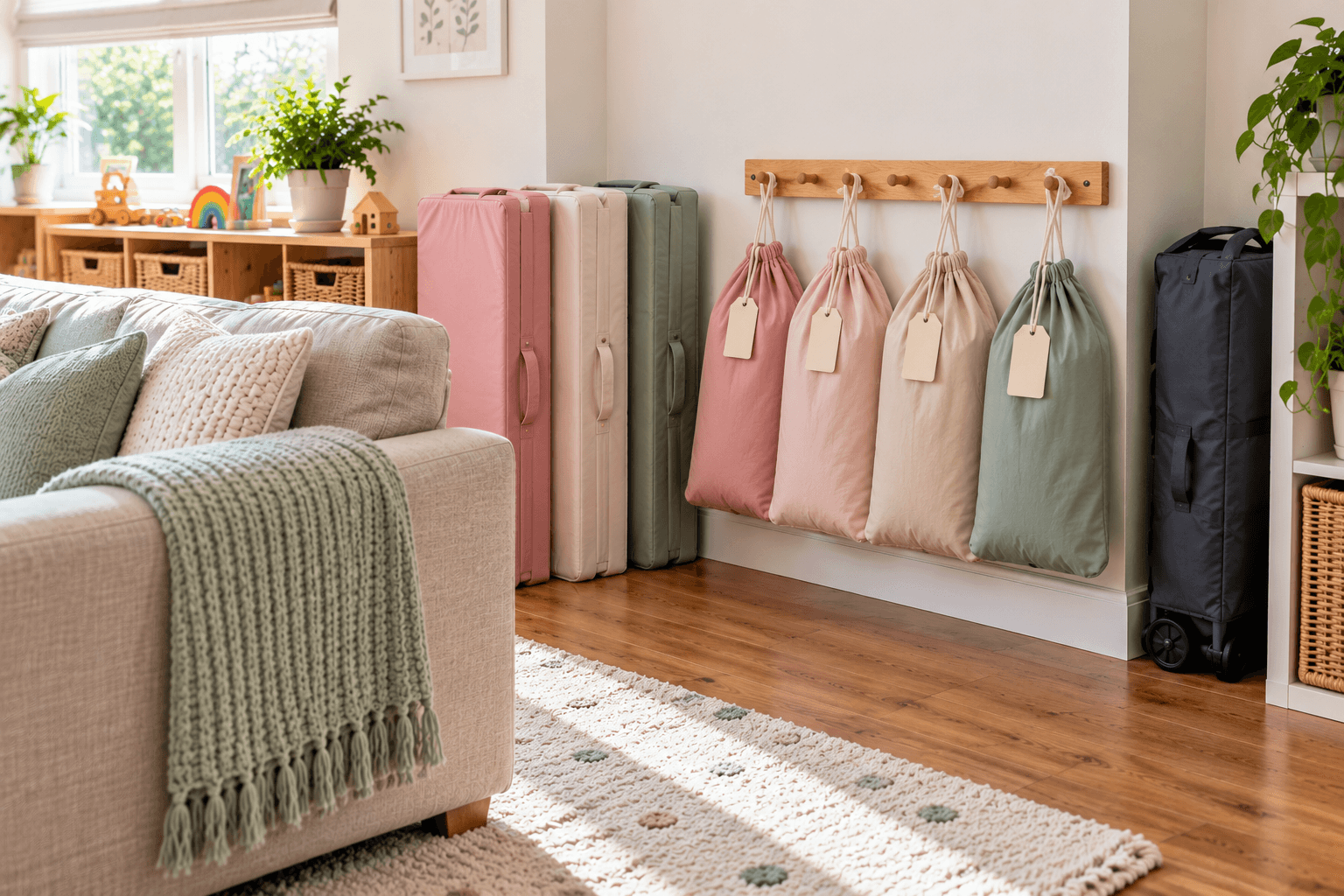
Some use individual bags with the children's names, giving them a warm sense of belonging and creating an enabling environment.
Kathryn Lord, author of the 'More to' book series and professional organiser of childcare settings, says that cots for under-1s 'pose a larger problem in terms of storage.' She then talks about space in terms of numbers, stating that 'how much space they have will dictate how many babies they can provide for.'
Partnership working
The impact of having a cosy area is huge; children have a safe, warm place to rest whenever they need to.
We know that sleep helps children to feel refreshed, giving them more energy and helping them to focus for the rest of the day, especially as many spend the day with us (8 or more hours).
The more walking and physical activity we do, we find children tire out by midday, hence the opportunity to rest is much needed. Even if children do not fall asleep, doing a quiet activity like reading has a huge impact on their well-being.
Scenario: when parents don't want their child to nap
Let's take a scenario where the parents are adamant their child must not nap, following their own research and their health visitor's advice, but the child still falls asleep at your setting. She is almost 3 and often comes in exhausted from a busy weekend at home. At home she is refusing to get into bed and as a result sleeping later than usual.
What would you do?
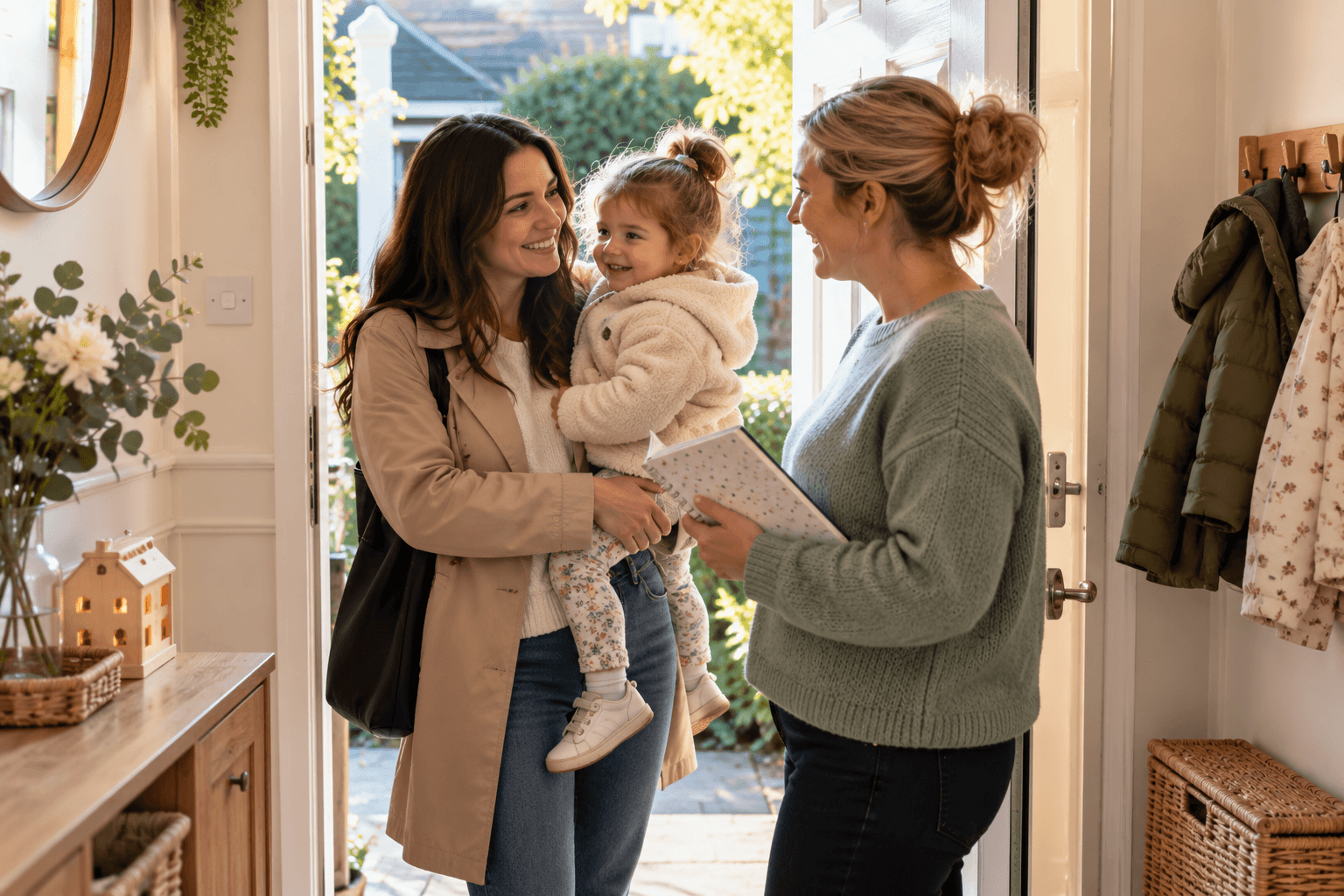
Some ideas on how we work with parents whilst prioritising the child's well-being may be to:
- Offer 'rest time' instead of 'sleep time' so the child does not feel pressured and can learn to listen to their body.
- Ask for ideal cut-off times and length of sleep that may affect their home routines.
- Try to shorten the sleep time as opposed to keeping the child awake.
- Be honest with the parents about how different routines affect the child's well-being within the setting, e.g. are they more and more upset gradually if they do not nap, or falling asleep towards the end of the day? Sharing observations is very important.
- Follow the setting's policies and signpost/provide displays if needed, to maintain focus on the well-being of the child.
Adaptation is essential in meeting the family's needs; however, the child's best interest must be at the centre of any decisions made. We can support them and role model best practice; however, we must also understand that home routines may differ from the setting's.
Frequently asked questions about safer sleep guidance
How often should sleeping children be checked?
Under the EYFS, sleeping children must be frequently checked and kept within sight and hearing of an adult. The Department for Education's safer sleep FAQ is clear that baby monitors can help, but they do not replace frequent checks.
Can children sleep in a buggy or pushchair at a childminder's?
Under the updated safer sleep guidance, buggies, pushchairs and prams should not be used as a child's main sleep space. If a child falls asleep on an outing, have a flat, separate sleep space ready so you can move them on arrival. The Lullaby Trust's safer sleep booklet for early years settings explains why.
How can childminders store sleep equipment in a small home?
Folding mats can slip behind sofas or furniture, travel cots fold into wheeled bags, and named bedding bags keep each child's blanket clean and easy to find. Remember that the space you have will shape how many babies you can safely care for.
What should I do if parents don't want their child to nap?
Talk openly, share your observations and agree on a plan together. Offering 'rest time' rather than 'sleep time', or shortening a nap rather than keeping a tired child awake, can help you balance family wishes with the child's well-being, as set out in the EYFS statutory framework.
Want you and your assistants to feel confident putting the safer sleep guidance and wider safeguarding requirements into everyday practice? Explore our government-funded childcare courses, then get in touch with our friendly team or call us on 0800 002 9242 to find out more. You'll find more practical advice from childminders and sector experts on the Parenta blog and in our free Handy Guides.

About the author:
Discover expert insights from Priya, a seasoned babysitter, childminder, and dance-fitness teacher in Newham, East London. Her setting's focus is child-led planning, independent learning and a hands-on, outdoor approach.
