
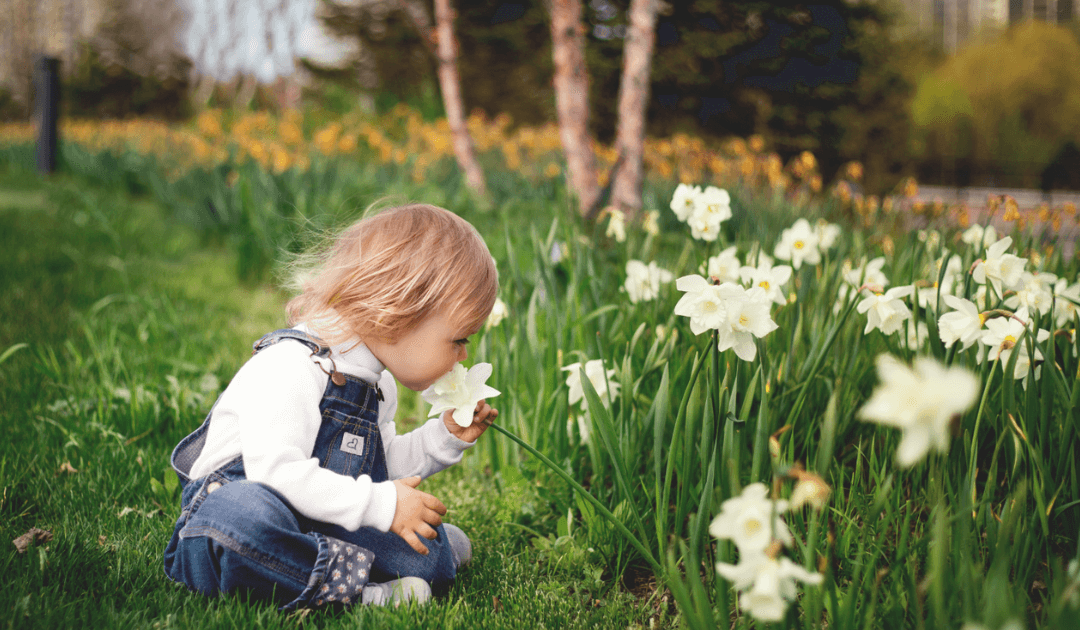
Sensory Support: Using the Power of Smell in Early Years
In early years education, we often focus on sight and sound during sensory activities. However, the sense of smell is one of the most direct paths to memory and emotion. By integrating olfactory experiences into your sensory curriculum, you can create a more holistic environment for children. Consequently, practitioners are discovering that "smell-scapes" are vital for helping toddlers navigate their feelings and surroundings.
The Science of Sensory Processing and Scents
Our sensory receptors for smell are linked directly to the limbic system, which manages emotions. Specifically, certain scents like lavender or vanilla can promote a calming effect during transition times. Furthermore, fresh scents like citrus can invigorate a sensory room and help children focus on their tasks. Because children process information differently, providing a variety of scents ensures an inclusive sensory experience for everyone.
I am a sensory engagement and inclusion specialist. In my work at the Sensory Projects, I look at how inexpensive resources can be used as sensory tools for inclusion and explore how understanding sensory processing can help us to better support those in our care. I deliver training nationally and internationally and can often be heard saying that I wish there were an easy way to distinguish between sensory and SENSORY. People are generally aware that engaging the senses when learning is useful, but there’s a big difference between putting out a boxload of toys that were all marked ‘sensory’ in the catalogue and creating a SENSORY banquet for exploration.
Creating a Safe Sensory Environment with Scents
When planning a sensory session involving smell, safety is the priority. Always ensure that the materials used are non-toxic and that you are aware of any allergies within the group. For example, using "scented dough" or herbs like mint and rosemary allows for a natural sensory interaction. Additionally, for children who may have auditory or visual impairments, these olfactory sensory cues are essential for understanding their environment.
In my previous article (which you can view online), I talked about how to offer smell experiences in a respectful and engaging way. I also said that smell is an emotional sense. Do you remember I asked you if there was a particular smell that reminded you of your grandma? What about if I asked about the smell of Christmas or a comparable winter festivity? Because smell is processed by the limbic brain, the emotional brain, it can have a kind of time-travel effect on us to places of emotional resonance. Happily, the smells that usually zap us back through our memories tend to take us to pleasant places, but this is not always the case (there’s a reason why so many people hate the smell of hospitals). Being aware that smells can trigger memories can help you support children who may have had something difficult happen to them or may simply be missing home. When a child suddenly becomes upset, we may ask ourselves: did someone hurt them, what happened? But do we ask what they might have smelt?
How Smell Enhances Sensory Memory and Learning
There is a profound link between sensory input and cognitive retention. When a child experiences a specific smell during a story or a game, they are more likely to remember the lesson associated with it. Therefore, educators should look for ways to pair scents with other sensory activities. For instance, you might use the scent of pine during a lesson about forests to deepen the sensory connection.
Children often bring comfort objects in from home. The familiarity of a well-loved toy in the new space of a nursery or childminder’s can give a child confidence. But one overlooked aspect of this toy is that it likely smells of home. What does home smell like? Is it a particular brand of laundry detergent? Is it the smell of the family pet dog? Is it incense burning from a shrine, or the food cooking in the kitchen? Whatever it is, we all know that people’s houses have distinct smells and that the objects in the house acquire those smells. A time when it can be particularly powerful to utilise the emotional aspect of a scent connection to home is nap time. The pheromone smells of our nearest and dearest are some of the most comforting smells we can access. I don’t mean their stinky sweat smells, I mean just the smell of them – each person has a scent unique to them. When a bereaved person smells the clothes of a loved one, it is this scent they seek. Having an item that has been near to the child’s primary carer to offer to them as they settle to rest can give them olfactory support to get to sleep. I remember one child who struggled to settle generally but who was able to when they brought in a pillow from home (you don’t need the whole pillow, just the case – so long as it had been used, rather than freshly laundered, it would work). In my book *Sensory-being for Sensory Beings*, I write about how you can make items out of natural fibre materials specifically for holding onto comforting smells.
Because smell is an emotional sense, it both affects and is affected by our emotions. We smell more when we feel happy, and having greater access to smells can be a mood booster (be careful how you take this – you do not want to turn your setting into a LUSH shop. Too many smells can be emotionally overloading – look particularly for natural scents, they are more likely to support wellbeing than synthetic ones, which can quickly become oppressive). In my last article, I talked about Kate MacLean’s smell walking and suggested taking the children in your setting on a smell walk (it’s a great thing to do. If you didn’t see the previous article, please pop back and read it now – it’s available free online). Doing an activity like this can be an opportunity to get a temperature read on how everyone is feeling. People who are depressed experience impairment to their sense of smell, making it harder for them to connect with and enjoy an activity like a smell walk. In my articles about taste, I talked about how much of our appreciation of flavour comes to us through our sense of smell, so if someone is down and struggling to engage with scent, it is likely to affect their eating too. It is worth noting that smell is one of the senses that fails first in old age, and this again is a place where we see the impact on eating, as people lose motivation to eat meals without the enjoyment of flavour offered by smell.
This is all a lot to think about, and there are so many other insights that could be shared here, but I thought I would end with some simple tips for savouring scent in your setting
- Open the windows. Fresh air and a clear scent backdrop are easier for everyone to work within
- Discourage the wearing of strong perfumes and avoid using soaps etc that are heavily fragranced
- Offer a rich sensory selection of scents through natural items that can be smelt or not depending on the children’s choice (think the scent squirt bottles that I described in my previous article)
- For yourself, take time to notice your emotional response to smells, what smells comfort you, what smells take you to places in time. Appreciating that you are doing the emotional work of smelling will support your own wellbeing and give you insight into the wellbeing of others
Oh… and bad news: the smell of poo is actually an ideal scent to have around. Up until the age of five, children will declare the smell of their own farts to be the best thing in the world, and past five we stop saying it but secretly still love it! The smells our own body produces are some of the most emotionally comforting smells we have contact with.
Training Your Staff for Better Sensory Delivery
Mastering the delivery of sensory play requires professional insight. If you are looking to improve your setting’s approach, consider the Parenta Level 3 Childcare Diploma. This training helps practitioners understand the nuances of sensory development. Because we believe in the importance of education, providing your team with these resources will transform the lives of generations of children.
In my next article, I’m going to be looking at sound, as a small-letter sensory experience and a capital-letter SENSORY experience. I’m sure you feel like you have quite enough noise in your setting already, but let’s explore the nuance of rich auditory environments and how to offer adventures in sound.
Read more from Joanna:

About the author:
Joanna Grace is an international Sensory Engagement and Inclusion Specialist, trainer, author, TEDx speaker and founder of The Sensory Projects. Joanna draws on her own personal experiences to inform her writing surround neurodivergence, SEN, and inclusion in early years.

What are the 5 areas of sensory development?